
introduction
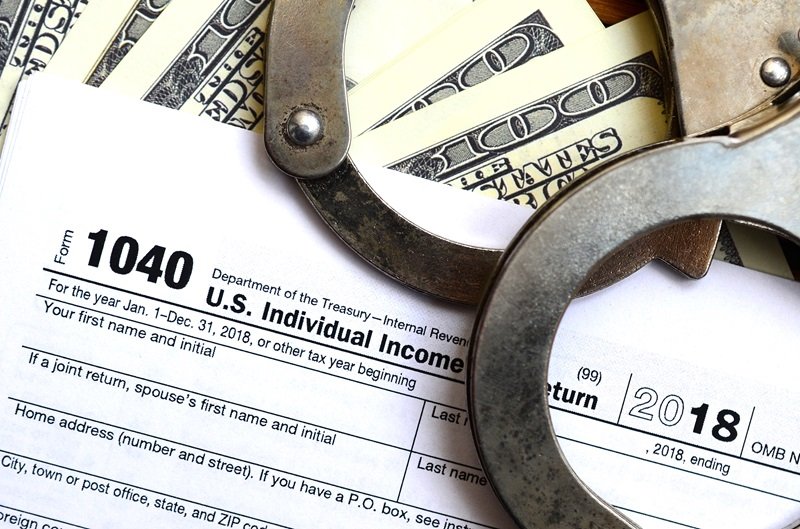
Tax fraud is a significant issue for governments and law enforcement worldwide. Fraudulent schemes not only deprive governments of needed revenue but also burden honest taxpayers. These operations are becoming more sophisticated, making it harder for authorities to catch the criminals. A high-profile case, “Crooks R Us,” demonstrates the complexity of modern tax fraud and the steps needed to stop it. This article will explore the tactics, impacts, and legal actions tied to the Crooks R Us scheme, showing how such operations can be stopped.
The Scheme Unveiled
Crooks R Us was an elaborate fraud operation that disguised itself as a legitimate business. The operation lasted for years without raising suspicion.
- False Reporting: The operation involved falsifying income and expenses to avoid taxes. By inflating expenses and underreporting profits, they minimized their tax liability. Additionally, they filed fake refund claims in some cases.
- Identity Theft: The scheme also involved stealing personal information to file fraudulent tax returns. This allowed them to claim refunds for people who hadn’t filed taxes.
- Complex Networks: Crooks R Us used shell companies and fake invoices to cover their tracks. These companies appeared legitimate and operated in industries that were not heavily scrutinized, which made it easier to avoid detection.
Although these tactics are common in tax fraud schemes, the scale and complexity of Crooks R Us made it especially dangerous and hard to uncover.
The Financial and Social Impact
The impact of tax fraud like Crooks R Us goes beyond financial losses.
- Revenue Loss: The operation evaded millions of dollars in taxes, money that could have been used to fund government programs. This loss deprived citizens of essential services like healthcare, education, and infrastructure.
- Public Trust: Major fraud cases, such as this one, erode public trust in the tax system. Citizens may feel that their contributions are being wasted or that others are evading taxes, which damages confidence in government systems.
- Economic Distortion: Fraudulent businesses like Crooks R Us gain an unfair advantage. By avoiding taxes, they can offer lower prices or higher profits, which disadvantages legitimate businesses and disrupts the market.
Addressing tax fraud is crucial not only for recovering stolen funds but also for maintaining a healthy economy and restoring public trust.
Legal Actions and Penalties
The legal consequences for those involved in Crooks R Us were severe.
- Criminal Charges: The perpetrators faced serious charges, including tax evasion, money laundering, conspiracy, and identity theft. These charges carried long prison sentences and hefty fines.
- Fines and Restitution: In addition to prison sentences, the convicted individuals were required to repay stolen funds. These penalties help recover taxpayer money and ensure that criminals cannot profit from their actions.
- Asset Seizures: Authorities seized assets, such as real estate, vehicles, and bank accounts, to recover stolen funds. These asset seizures serve both as restitution and as a deterrent to others who might engage in similar schemes.
The swift legal actions taken against the perpetrators of Crooks R Us send a strong message: tax fraud will not be tolerated.
Preventing Tax Fraud
Preventing future fraud requires cooperation between governments, businesses, and individuals.
- Enhanced Technology: Governments are investing in new technologies, such as AI and big data analytics, to detect fraud early. These tools allow authorities to identify discrepancies and suspicious activities more efficiently.
- Public Awareness: Educating the public about common tax scams and how to report fraud is key to preventing future schemes. The more informed taxpayers are, the better they can protect themselves.
- Stronger Regulations: Tax laws must be updated regularly to close loopholes and prevent fraudsters from exploiting outdated systems. Authorities must adapt quickly to emerging fraud trends.
- Collaboration: Tax authorities, financial institutions, and international organizations must collaborate more effectively. Fraudsters often operate across borders, so sharing information and coordinating enforcement efforts is essential.
By using new technologies, raising public awareness, and improving regulations, the risk of tax fraud can be significantly reduced. Governments, businesses, and individuals must work together to ensure a fair tax system.
Conclusion
The Crooks R Us case highlights the growing sophistication of tax fraud. It shows that we need improved oversight and stronger enforcement. Although this case resulted in significant financial loss, it also emphasizes the importance of preventative measures. With technology, better laws, and public awareness, we can effectively fight tax fraud. The legal consequences for the perpetrators of Crooks R Us remind us that engaging in such activities will not go unpunished. A unified approach from governments, businesses, and citizens is essential to protecting the integrity of the tax system.